Bari's Allure: A Tourist Paradise Undisturbed by Illicit Tales
When you browse the most popular travel guides for Bari, Italy – from the detailed itineraries of Lonely Planet to the cultural insights of Britannica and the adventurous spirit of Never Ending Voyage – a consistent picture emerges. These comprehensive resources paint Bari as a captivating destination brimming with historical charm, mouth-watering cuisine, and sun-drenched coastal beauty. You'll find vivid descriptions of the Basilica di San Nicola, the bustling Bari Vecchia (old town) with its labyrinthine alleys, the vibrant street food scene, and the serene Adriatic Sea. Yet, one topic is conspicuously absent from all these esteemed publications: bari waste trafficking.
This absence isn't an oversight but rather a clear reflection of the primary purpose of travel guides: to inspire, inform, and guide tourists through the best experiences a city has to offer. Their focus is inherently on the positive, the accessible, and the enriching aspects of travel. Illicit activities, by their very nature, operate in the shadows and are antithetical to the safe, enjoyable, and culturally immersive experiences these guides aim to promote. The question then becomes not why travel guides don't mention bari waste trafficking, but what such an absence tells us about the nature of travel journalism versus the deeper complexities of a modern port city.
The Lens of Tourism: What Travel Guides Prioritize
Travel guides are curated narratives. They are designed to highlight the very best of a destination, encouraging visitors to explore its unique character, heritage, and contemporary life. For a city like Bari, this means an emphasis on:
- Historical Landmarks: The Norman-Swabian Castle, the Cathedral of San Sabino, and the aforementioned Basilica di San Nicola.
- Cultural Experiences: Watching women make orecchiette pasta by hand in the old town, exploring local markets, and enjoying traditional festivals.
- Gastronomy: Fresh seafood, focaccia barese, panzerotti, and the region's exquisite olive oil and wine.
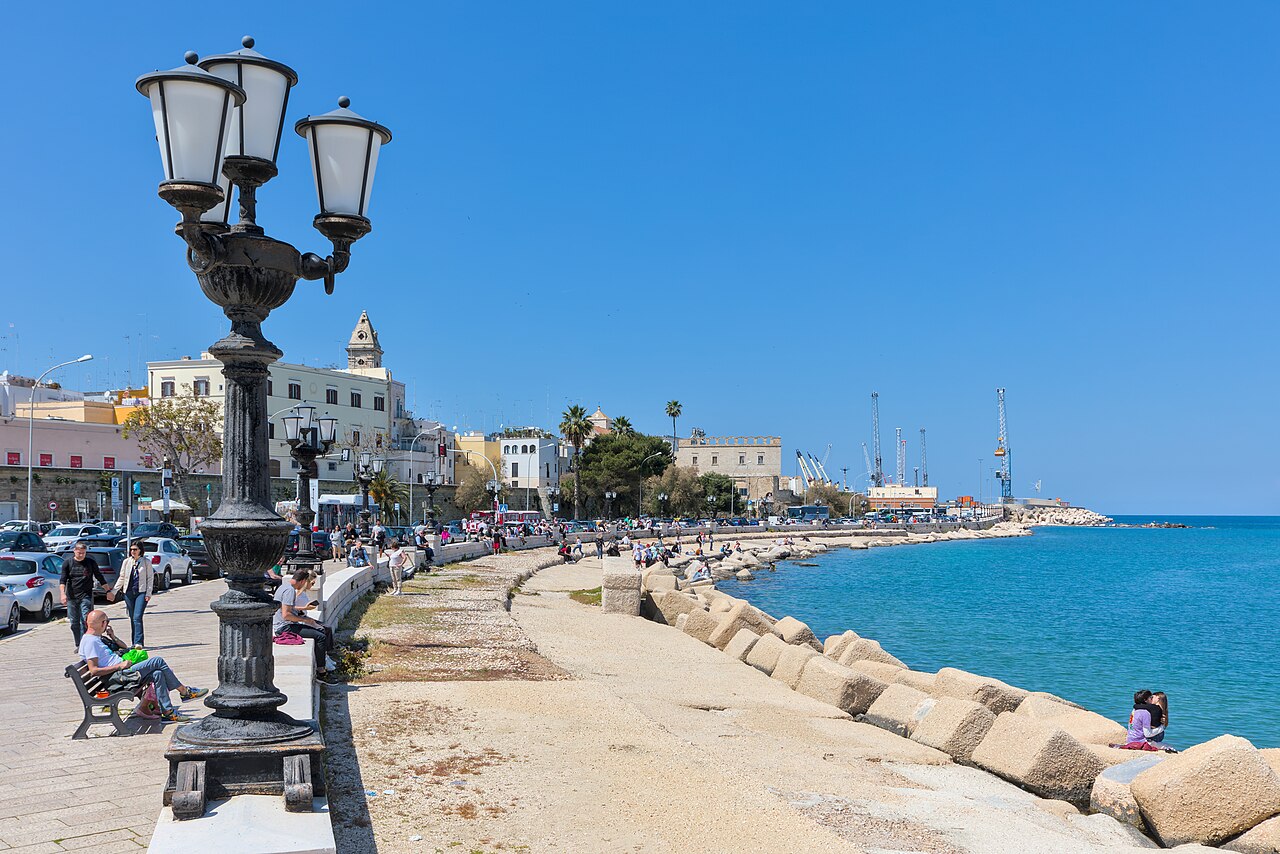
- Natural Beauty: The scenic seafront promenade (lungomare), nearby beaches, and the clear waters of the Adriatic.
- Practical Advice: Where to stay, eat, shop, and how to navigate the city.
This curated selection serves to create an appealing image, fostering tourism and economic growth. Topics such as organized crime, environmental issues, or illicit trade, while potentially existing as underlying challenges in any major urban center, fall outside the scope of this positive, aspirational narrative. Tourists are seeking memorable holidays, not investigations into complex societal problems. It is precisely because these guides excel at presenting the alluring façade of Bari that they omit any discussion of potentially darker, hidden phenomena, including anything resembling Bari Travel Guides Focus on Tourism, Not Waste Trafficking.
Unpacking Waste Trafficking: A Global Undercurrent
To understand why topics like bari waste trafficking are absent from travel guides, it's essential to grasp the nature of waste trafficking itself. Waste trafficking, or illegal waste disposal, is a serious and pervasive global crime. It involves the illicit collection, transportation, and dumping of hazardous or non-hazardous waste, often across international borders, in violation of environmental laws and regulations. This can include anything from industrial chemicals and electronic waste to household refuse, all moved to avoid costly and proper disposal procedures. The motivation is almost always financial: avoiding legitimate disposal costs and generating profits through illegal means.
The implications of waste trafficking are severe:
- Environmental Damage: Contamination of soil, water, and air; harm to ecosystems and biodiversity.
- Public Health Risks: Exposure to toxic substances for communities living near illegal dumpsites.
- Economic Impact: Undercutting legitimate waste management companies, loss of tax revenue, and cleanup costs for affected regions.
- Social Consequences: Often linked to organized crime, corruption, and exploitation of vulnerable communities.
This is a crime that thrives on secrecy and operates through clandestine networks. It's not a visible part of daily life for most residents, let alone tourists. Its covert nature means that dedicated investigative journalism and law enforcement efforts are required to uncover it, rather than a casual perusal of a travel itinerary. This further reinforces Why Top Bari Tourist Guides Omit Waste Trafficking Details.
Bari's Strategic Position: More Than Just a Tourist Gateway
Bari is not just a picturesque Italian city; it is a vital port on the Adriatic Sea, serving as a significant gateway to the Balkans, Greece, and the Middle East. Its strategic geographical position has made it a crucial hub for trade, transportation, and passenger traffic for centuries. This very strength, however, also presents potential vulnerabilities. Major port cities, by their nature, are complex logistical centers with extensive networks for goods movement, often processing vast quantities of cargo daily. While the vast majority of this activity is legitimate, the sheer volume and complexity can make them attractive points for illicit trade, including the trafficking of waste.
Any large port, anywhere in the world, faces challenges in monitoring every single shipment. The movement of goods through diverse supply chains, coupled with the global demand for inexpensive waste disposal, can create opportunities for criminal organizations to exploit these networks. This is not an accusation against Bari specifically, but an analytical observation about the inherent challenges of managing a major international port. Customs officials, port authorities, and environmental agencies work tirelessly to combat illicit activities, but the scale of global trade makes it a constant battle.
The existence of a bustling port in Bari, while fantastic for connecting travelers to Corfu or Dubrovnik and facilitating legal commerce, means that the city operates on multiple economic and logistical levels far beyond the scope of its tourism brochures. This intricate reality is often what goes unnoticed by the casual visitor, who understandably focuses on the city's charming exterior.
Beyond the Postcard: Gaining a Deeper Understanding of a Region
The stark contrast between the vibrant, tourist-friendly portrayal of Bari in travel guides and the potential for complex, hidden issues like waste trafficking highlights an important lesson: to truly understand any place, one must look beyond its surface-level attractions. While travel guides are invaluable for planning a trip and appreciating cultural highlights, they are not intended to be comprehensive socio-economic or investigative reports.
For those interested in a deeper understanding of Bari, or any region, it’s important to complement travel guides with other sources of information:
- Local News & Investigative Journalism: Follow local news outlets, reputable national newspapers, and investigative reports that delve into regional issues, environmental concerns, and economic challenges.
- Academic Research & NGOs: Consult reports from environmental organizations, academic institutions, and NGOs that focus on waste management, organized crime, and sustainable development in the Mediterranean region.
- Government & EU Reports: Official reports from national governments or the European Union often provide data and analysis on environmental crime, port security, and illicit trade.
- Engage with Locals: When safely and respectfully possible, engaging in conversations with long-term residents can offer invaluable insights into local perspectives and concerns that extend beyond tourist-centric topics.
Understanding a city like Bari fully means appreciating its beauty and history while also acknowledging the multifaceted challenges that come with being a dynamic, modern urban center and a crucial point in global logistics. The absence of bari waste trafficking from popular travel guides doesn't mean it isn't a topic worthy of consideration in a broader discussion about regional complexities; it simply means it doesn't fit the purpose of those specific publications.
Conclusion
The journey through Bari's top travel guides reveals a consistent and compelling narrative centered on tourism, culture, and history. The conspicuous absence of topics like bari waste trafficking is a testament to the specific scope and purpose of these publications, which are designed to inspire travel and highlight positive visitor experiences. While this focus is entirely appropriate for travel planning, it naturally omits the deeper, often hidden, complexities that exist in any major international port city. To gain a truly comprehensive understanding of Bari, or any destination, it is valuable to venture beyond the glossy pages of a travel guide and explore a broader spectrum of information sources that address the full range of a region's economic, social, and environmental realities.