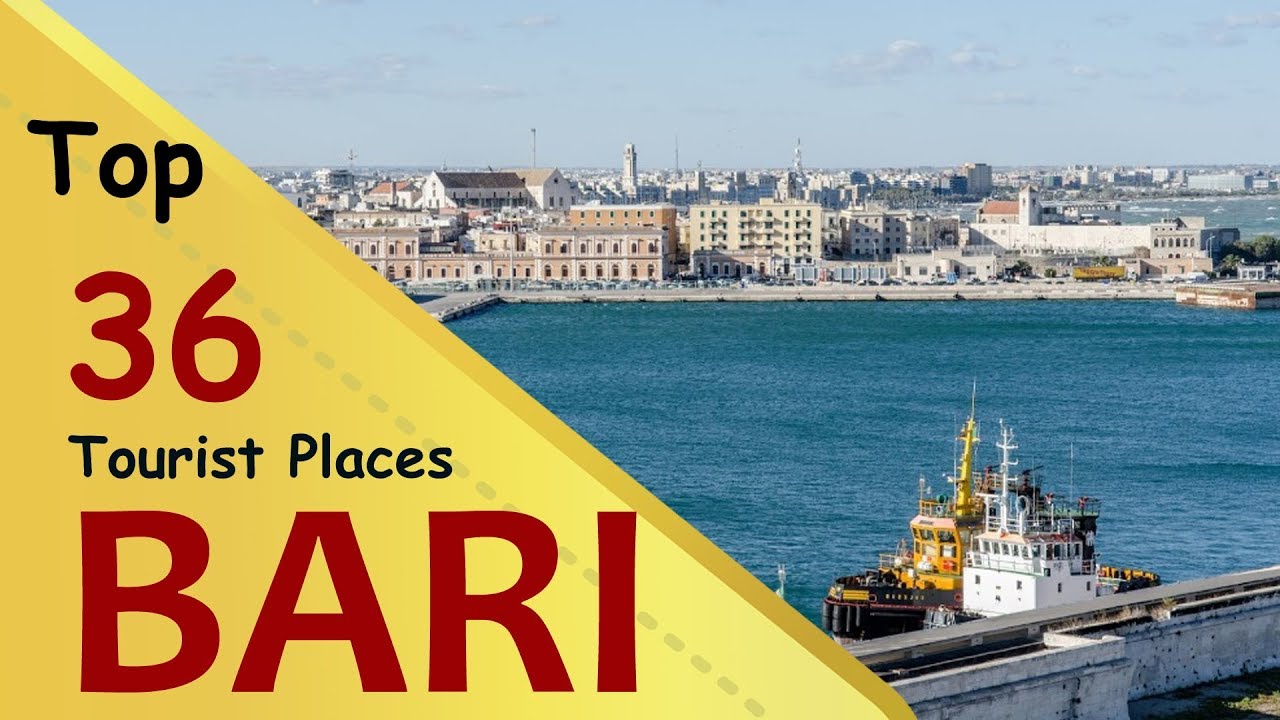
The Unseen Narrative: Why Bari Tourist Guides Sidestep Waste Trafficking
When planning a trip to the sun-drenched coastal city of Bari, Italy, travelers often turn to acclaimed resources like Lonely Planet, Never Ending Voyage, and Britannica for insights into its rich history, vibrant culture, and must-see attractions. These guides paint a picture of Puglia's capital as a charming port city, famous for its Basilica di San Nicola, the picturesque Bari Vecchia (Old Town), and delectable Orecchiette pasta. However, one topic consistently absent from their meticulously curated pages is bari waste trafficking. This isn't an oversight or a deliberate cover-up; rather, it reflects a fundamental difference in purpose, audience, and editorial scope. Understanding why these top-tier guides omit such details requires delving into the very nature of travel journalism and the distinct information needs of tourists versus investigative bodies.
The Core Mandate of Travel Guides: Enchanting Experiences, Not Environmental Crime
Travel guides, by their very design, are crafted to inspire, inform, and equip prospective visitors with the knowledge needed to enjoy a destination safely and fully. Their primary objective is to highlight the positive attributes and unique experiences a place offers, guiding tourists towards attractions, culinary delights, cultural events, and practical advice on accommodation and transportation. They focus on what makes a city appealing and memorable for a leisure traveler.
- Focus on Positive Experiences: Guides aim to showcase the beauty, charm, and hospitality of a destination. They want readers to dream of strolling through historic streets, savoring local cuisine, and immersing themselves in culture.
- Practical Tourist Information: Details typically include opening hours for museums, recommendations for restaurants, best neighborhoods to stay in, local customs, and general safety tips relevant to tourists.
- Audience-Centric Content: The target audience is almost exclusively leisure travelers, backpackers, or business visitors looking for conventional travel advice. Their immediate concerns revolve around enjoyment, logistics, and avoiding common travel pitfalls, not complex socio-economic issues or illicit activities.
For instance, an article detailing the "best things to do in Bari" will naturally focus on the Swabian Castle, the Murat quarter's elegant architecture, or the vibrant local markets. These are the experiences that draw millions of visitors to Bari each year, contributing significantly to the local economy and cultural exchange. Introducing topics like waste trafficking, which belongs to the realm of environmental crime and illicit networks, would be incongruous with this celebratory and practical objective.
Understanding 'Waste Trafficking': A World Away from Tourist Itineraries
To grasp why Bari travel guides focus on tourism, not waste trafficking, it's essential to define what "waste trafficking" actually entails. This isn't about litter on the streets or common waste management; it refers to the illegal transportation, disposal, or trade of hazardous or non-hazardous waste materials, often across national borders, to circumvent stricter environmental regulations or reduce costs. It's a serious form of environmental crime, frequently linked to organized crime, with significant ecological and public health ramifications.
The nature of such an activity means it is inherently clandestine and hidden from public view. It involves complex logistics, illicit networks, and often operates under the radar of official scrutiny. Tourists are unlikely to encounter signs of waste trafficking during their typical exploration of Bari's historical sites or coastal promenades. It's not a visible part of the city's daily life that a visitor would observe or interact with, unlike a bustling market or a historic church.
Consider the contrast: A tourist guide aims to show you where to find the best focaccia barese. An investigative report on waste trafficking would delve into shipping manifests, landfill operations, regulatory loopholes, and criminal prosecutions. These are entirely different realms of information, catering to entirely different informational needs and public interests.
SEO and User Intent: Guiding Tourists, Not Investigators
The digital age has brought search engine optimization (SEO) to the forefront of content creation, including travel guides. Website developers and content strategists meticulously craft articles to rank for specific keywords and meet explicit user intent. When someone searches for "things to do in Bari," "Bari attractions," or "best food in Bari," their intent is unequivocally tourism-related. They are looking for recommendations, itineraries, and practical travel advice.
- Keyword Targeting: Travel guides optimize for terms that potential tourists use, such as "Bari beaches," "Bari old town," "Bari restaurants," etc. Including "bari waste trafficking" in a general travel guide would confuse search engines about the article's core topic and alienate the primary audience.
- User Experience: A traveler seeking information on local culture would be disoriented and potentially put off by an unexpected deep dive into environmental crime. The user experience would be negative, as the content wouldn't match their expectations or needs.
- Maintaining a Brand Image: Reputable travel publishers strive to maintain a clear brand identity. Lonely Planet is known for adventurous and practical travel advice; Britannica for factual, historical, and geographical overviews; Never Ending Voyage for personal travel stories and guides. None of these brands are positioned as platforms for investigative journalism on environmental crime, which would require an entirely different journalistic approach, research methodology, and editorial tone.
Therefore, the omission of Bari waste trafficking from these guides is a strategic editorial choice, perfectly aligned with SEO best practices and the precise user intent of travel planning.
Beyond the Brochure: Where to Find Comprehensive Information (If Needed)
While mainstream travel guides understandably focus on tourism, this does not mean that information about environmental issues or other complex topics related to Bari is unavailable. For those interested in a broader, more nuanced understanding of any city, including its socio-economic challenges or environmental status, different sources are available and more appropriate:
- Investigative Journalism: News outlets, particularly those with dedicated environmental or crime desks, are the primary source for reporting on issues like waste trafficking. They conduct in-depth investigations, interview experts, and report on legal proceedings.
- Academic Research and NGO Reports: Universities, environmental organizations, and think tanks often publish detailed studies and reports on waste management practices, environmental crime, and their impacts. These provide scientific data and policy analysis.
- Governmental and Intergovernmental Reports: Agencies responsible for environmental protection, law enforcement (e.g., Europol, national police forces), and international bodies publish statistics, risk assessments, and policy documents related to illegal waste trade.
- Local Community Activism: Grassroots organizations and local environmental groups are often at the forefront of monitoring and advocating against environmental abuses in their regions. Their websites and public statements can offer valuable localized insights.
It's important to recognize that different types of information sources serve different purposes. A comprehensive understanding of a place often requires consulting a variety of sources, each offering a distinct lens through which to view the city. A tourist's fleeting visit to Bari is typically concerned with its superficial beauty and practical enjoyment, not its underlying socio-political or environmental complexities.
Conclusion
The absence of details regarding Bari waste trafficking in top tourist guides is neither accidental nor conspiratorial. It is a logical outcome of their specific editorial mission: to provide inspiring and practical information for travelers seeking to experience the best of Bari. These guides excel at showcasing the city's historical sites, cultural treasures, and culinary delights, guiding millions of visitors towards memorable journeys. Topics such as environmental crime, by their very nature, fall outside the scope of what a typical tourist guide aims to cover, belonging instead to the domains of investigative journalism, academic research, and policy analysis. Bari remains a captivating destination, and its travel guides rightfully focus on celebrating the experiences that make it so enchanting for visitors worldwide.